
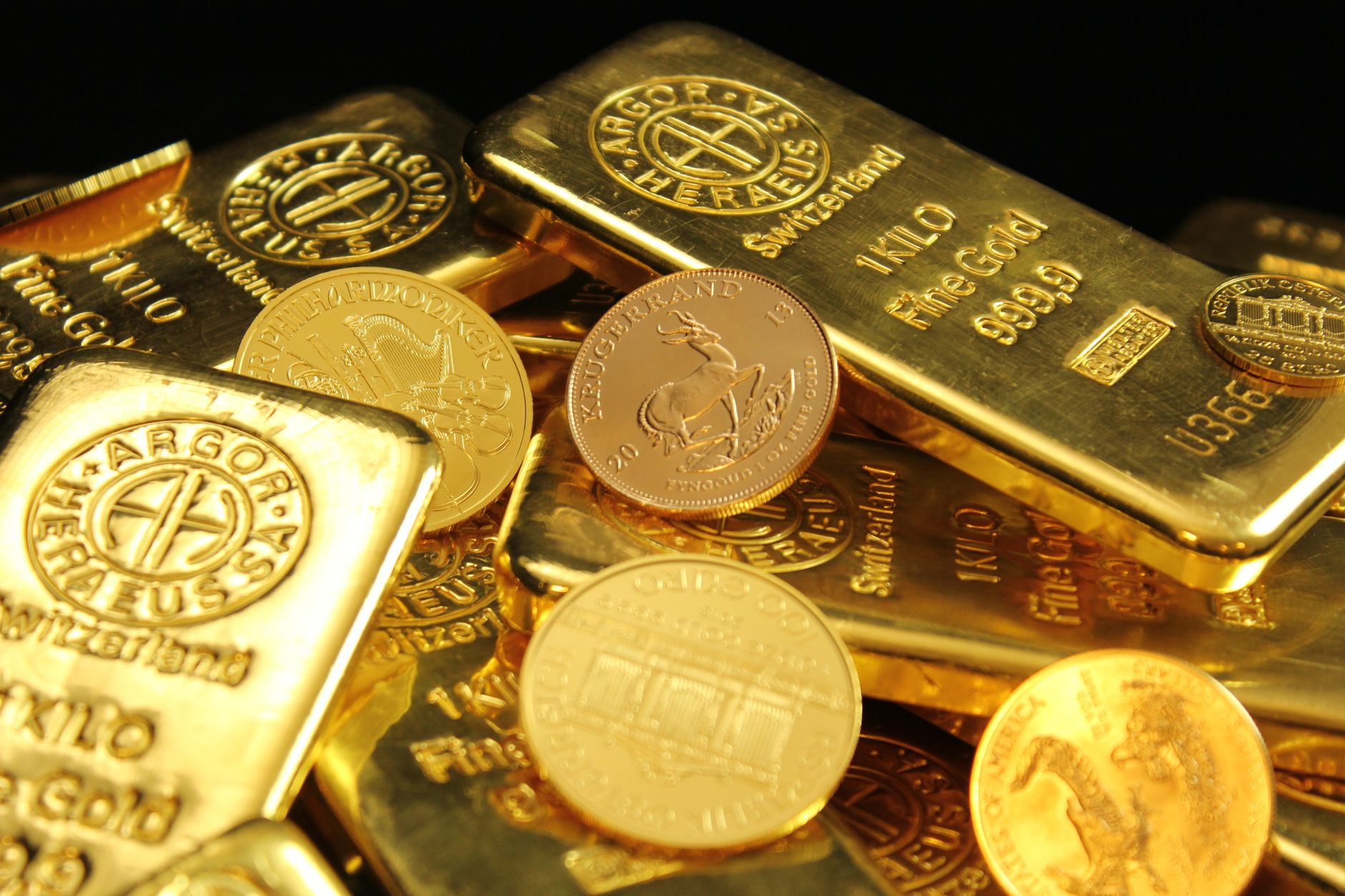
Gold prices in India have seen a decline today, impacting various cities including Delhi, Mumbai, Kolkata, and Chennai. This shift in market trends is crucial for buyers and investors alike.
Current Gold Prices in Major Cities
As of today, September 7, the gold prices in India have experienced a notable decline across major cities. Investors and consumers are closely monitoring the changes in the market as these fluctuations can significantly impact purchasing decisions.
Here are the current gold prices in some of the key cities:
- Delhi: The price of 22-carat gold stands at ₹50,000 per 10 grams, while 24-carat gold is priced at ₹54,600.
- Mumbai: In Mumbai, 22-carat gold is available for ₹50,000 per 10 grams, and 24-carat gold is at ₹54,600.
- Kolkata: The rates in Kolkata are similar, with 22-carat gold at ₹50,000 and 24-carat gold at ₹54,600.
- Chennai: In Chennai, prices are slightly higher, with 22-carat gold at ₹51,500 and 24-carat gold at ₹56,000.
- Bengaluru: The gold prices in Bengaluru are also reflective of the national trend, with 22-carat gold at ₹50,000 per 10 grams.
These current gold prices in India reflect the ongoing market dynamics and are essential for anyone looking to invest in gold or make purchases.
Factors Affecting Gold Prices Today
Several factors are impacting gold prices in India today, leading to fluctuations in the market. Understanding these elements is crucial for investors and buyers alike.
- Global Economic Conditions: The international economic landscape plays a significant role in determining gold prices. When economic uncertainty rises, investors often turn to gold as a safe haven, increasing demand and prices.
- Currency Fluctuations: The value of the Indian Rupee against the US Dollar can greatly influence gold prices in India. A weaker Rupee typically makes gold more expensive for Indian buyers.
- Interest Rates: Changes in interest rates set by the Reserve Bank of India can affect gold prices. Lower interest rates make gold more attractive as an investment compared to interest-bearing assets.
- Demand and Supply: Seasonal demand, especially during festivals and weddings, can lead to a surge in gold purchases. This heightened demand often pushes prices higher.
- Geopolitical Tensions: Any unrest or political instability can lead to increased gold buying, further influencing market rates.
These factors combined create a dynamic environment for gold prices in India, making it essential for stakeholders to stay informed.
Historical Trends of Gold Prices in India
Gold prices in India have seen significant fluctuations over the years, influenced by various economic factors and global market trends. Over the past decade, the price of gold has generally trended upward, reflecting both increased demand and changing international conditions.
In the early 2010s, gold prices experienced a sharp rise, peaking around 2012, when prices reached record levels. This surge was largely due to economic uncertainties and a heightened interest in gold as a safe-haven asset. However, prices varied significantly over the years, with notable declines in 2013 and 2014 as global markets stabilized.
In recent years, especially during the COVID-19 pandemic, gold prices soared again as investors sought security amidst economic turmoil. As of 2023, the prices have shown volatility, influenced by factors such as inflation rates and changes in interest rates. Analysts have noted that gold prices in India often mirror global trends, making it essential for investors to stay informed about both domestic and international market conditions.
As the market evolves, understanding these historical trends can provide valuable insights for those looking to invest in gold.
Expert Opinions on Today’s Gold Market
Experts are closely monitoring the fluctuations in gold prices in India as the market responds to various economic indicators. Analysts suggest that today’s decline in prices may be influenced by a combination of stronger domestic currency and shifts in international bullion rates.
According to renowned market analyst Ravi Sharma, “The slight dip in gold prices today is expected, given the recent strength of the Indian rupee against the dollar. Investors are also reacting to global market trends, which have shown mixed signals.” He adds that while current prices may deter some buyers, the long-term outlook for gold remains positive due to ongoing geopolitical tensions.
Furthermore, financial advisor Priya Mehta emphasizes the importance of considering gold as a hedge against inflation. “Despite today’s downturn, gold continues to be a reliable asset for wealth preservation,” she states. “Investors should look at the bigger picture rather than short-term fluctuations.”
In conclusion, as the gold market evolves, staying informed and understanding expert opinions can help buyers make informed decisions. Investors are advised to keep a close watch on upcoming market changes that could further impact gold prices in India.
Tips for Buying Gold in a Down Market
As gold prices in India fluctuate, especially during a down market, it is important for buyers to adopt strategic approaches to make the most of their investments. Here are some tips to consider:
- Research Market Trends: Stay updated on the current gold rates in major cities to identify the best times to buy. Understanding historical trends can also guide your decisions.
- Choose Reputable Dealers: Purchase gold from established and trusted dealers to ensure authenticity and fair pricing.
- Consider Smaller Quantities: In a down market, buying smaller quantities can help spread the risk and allow for gradual investment.
- Look for Discounts: Keep an eye out for promotional offers or discounts that dealers may provide, especially during festive seasons.
- Evaluate Different Forms: Gold is available in various forms such as jewelry, coins, and bars. Assess which option provides the best value for your investment.
By utilizing these tips, buyers can navigate the current market more effectively and potentially secure better deals on gold.
Photo by Zlaťáky.cz on Pexels